From currency hedges to offshore structures, India’s wealthiest investors are moving beyond domestic comfort zones, selectively, and with growing conviction.
The great reallocation is underway.
As geopolitical turbulence reshapes global capital flows and the rupee tests new lows, India’s ultra-high-net-worth individuals are responding not with panic but with precision. They are diversifying across geographies, asset classes, and currencies at a pace rarely seen before.
Gurjeet Sohi, Managing Director and Head of Wealth Management for India at Lighthouse Canton, said the composure of today’s Indian investor stands in sharp contrast to how earlier cycles played out.
“I remember about 15–20 years back, when there used to be such instability, investors would have a knee-jerk reaction. But now the large HNI investors have matured. They understand this is part and parcel of cycles,” he said. Sohi noted that disciplined investors are actively rebalancing, treating current market corrections as entry points. “Whenever an asset class gets cheaper, they’ve been rebalancing. We are seeing a lot of clients coming back, you’re getting something at a 25% discount on some of the asset classes they have long term interest in,” he explained.
The numbers underscore why this shift matters.
India’s ultra-high-net-worth population stood at 13,263 in 2023 and is forecast to rise 50% to nearly 19,908 by 2028, the highest growth rate for any major economy, according to Knight Frank’s Wealth Report 2025. Yet for decades, this wealth stayed stubbornly domestic, concentrated in promoter-held equities, residential property, and fixed income.
The rupee’s depreciation over the past 18 months has become a structural wake-up call. Sohi shared that the currency move has fundamentally changed client conversations.
“The way dollar-INR has moved, people are starting to realize the importance of diversifying the currency as well. When you see high not-dollar-term returns, most of your equity products, you are probably lagging some of the other economies just because the currency has depreciated,” he said.
Against this backdrop, GIFT City and the Liberalised Remittance Scheme (LRS) are gaining traction as conduits for offshore allocation, even as investors navigate their constraints. However, Sohi was candid about the limitations.
LRS allowances remain modest for large family portfolios, and approvals for Family Investment Funds have been slow to materialise but he predicted the landscape will shift quickly. “Over the next six months to one year, this space will evolve quite a bit. Patterns will emerge, templates will emerge which would be kosher,” he noted.
Commodities, too, are seeing renewed demand.
Gold ETF assets under management in India crossed ₹2 trillion by the end of 2025, with the investor base growing 60% year-on-year, according to World Gold Council data.
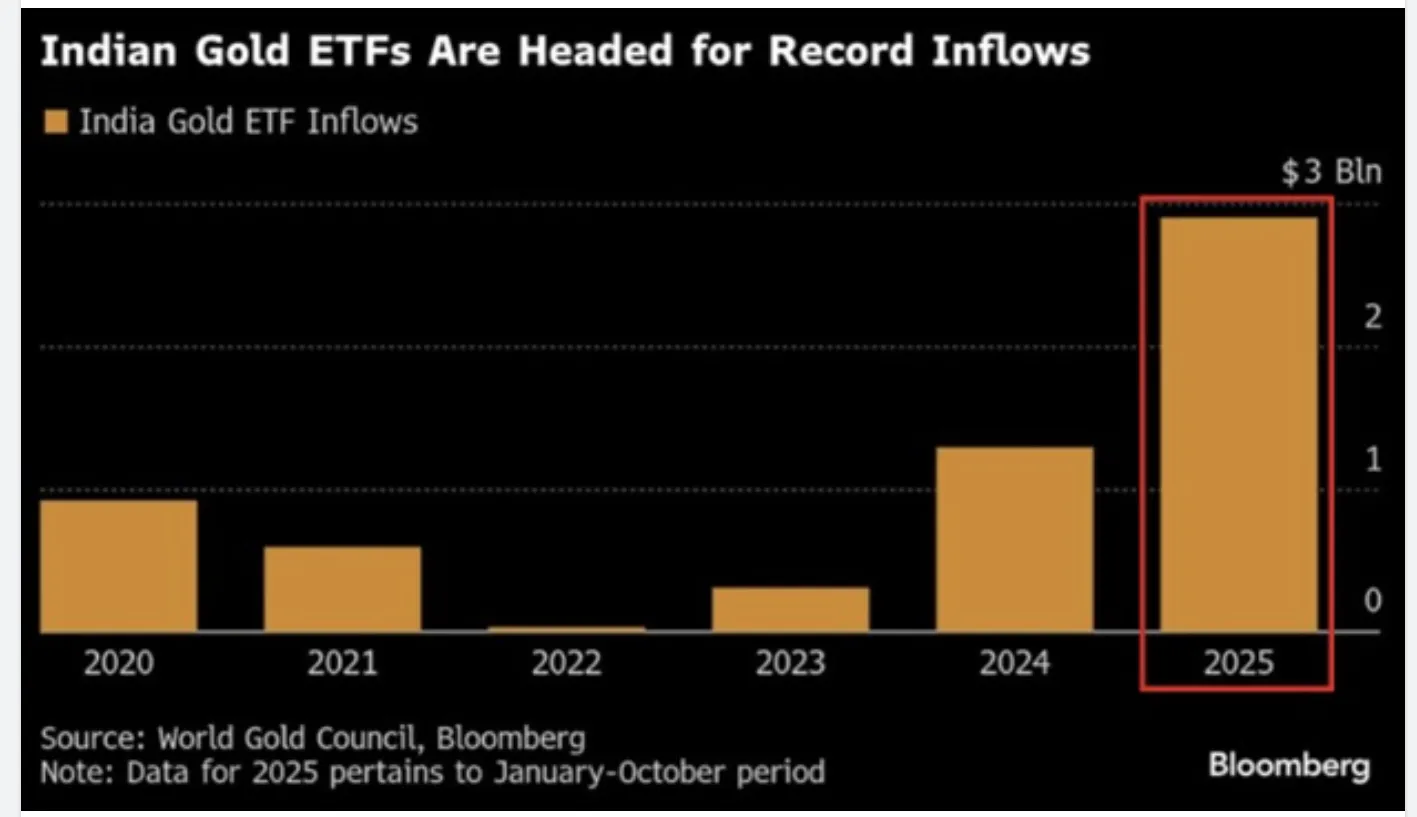
For Sohi, the move from physical bullion to electronically traded instruments reflects a broader sophistication shift. Balanced allocation funds that blend equities, fixed income, and gold have also grown in appeal, offering diversification within a single, tax-efficient structure.
WHERE SMART CAPITAL IS LOOKING NEXT
Beyond safe havens, there is a more selective but active hunt for alpha. Artificial intelligence and its adjacent themes dominate conversations among technology-forward investors.
“Investments in AI and related themes are clearly a hot topic,” Sohi said. Rather than chasing individual large-cap names, investors are increasingly gravitating toward innovation-focused funds with concentrated exposure to companies driving structural disruption.
THE PRE-IPO MARKET FINDS ITS FOOTING
The pre-IPO frenzy that characterised India’s bull run is cooling into something more deliberate. Sohi was candid about the dynamics that drove earlier enthusiasm and why that cycle is unlikely to repeat.
“When markets are going up and you have a couple of good listings, everybody feels they will make a good one. But the pricing is totally opaque. There are benchmarks, there are huge margins,” he said.
A string of high-profile disappointments, where secondary-market velocity inflated valuations well before listing day, leaving retail buyers holding overpriced paper has made investors more circumspect.
“The IPO market has kind of tapered off a little bit. People are a little apprehensive,” Sohi explained. Yet conviction-led opportunities still find takers albeit selectively.
Sohi said Lighthouse Canton remains active in the space but applies rigorous filters before presenting any opportunity to clients.
“It takes a lot of due diligence and understanding and conviction at your end, that is something which we are also very, very selective about in the opportunities which we finally want to present.”
For investors willing to take a two-to-three-year view on businesses with visible growth trajectories and credible management, select pre-IPO allocations still have a place in a well-diversified portfolio. The key differentiator, Sohi concluded, is the advisory relationship: the era when most entrants made money simply by participating is over.





.png)