Kevin Warsh spooked markets at Jackson Hole, giving renewed credence to the 2% core PCE target, something he had hinted at challenging when he assumed office. We posit in this note why the measure (PCE as currently calculated) and the level (2%) have outlived their sell by date. Unfortunately though, until explicitly changed, markets will remain a hostage to the 2% folly.
Rate hike probabilities have spiked to 57% (vs. 35% pre Jackson Hole), a continued focus on outdated inflation calculations and an equally outdated 2% target remain a threat to growth sectors, already lacking momentum. While our base base remains a “pause” rather than a hike, the tail risk is elevated - protection remains cheap.
Inflation is a Problem…but…
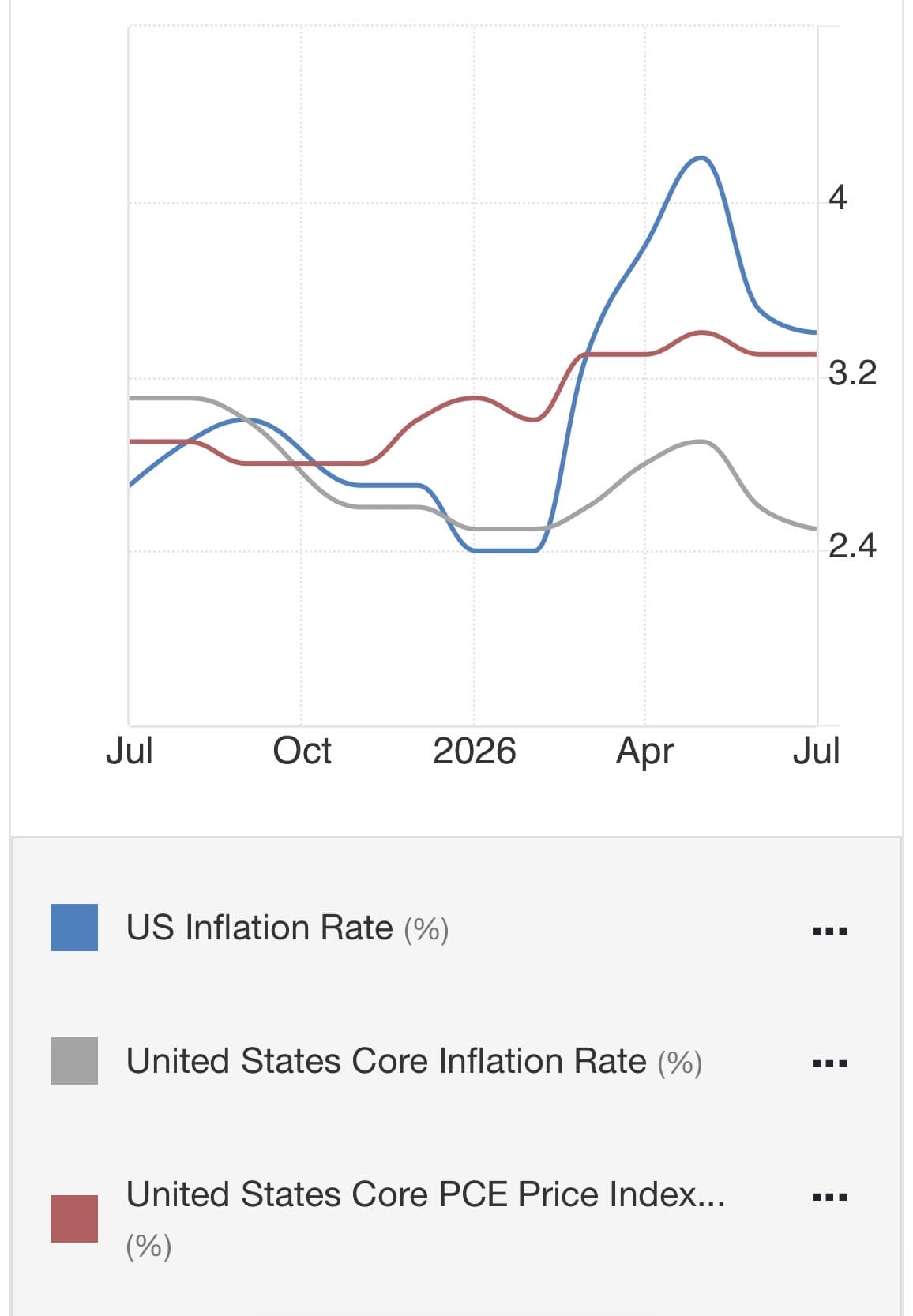
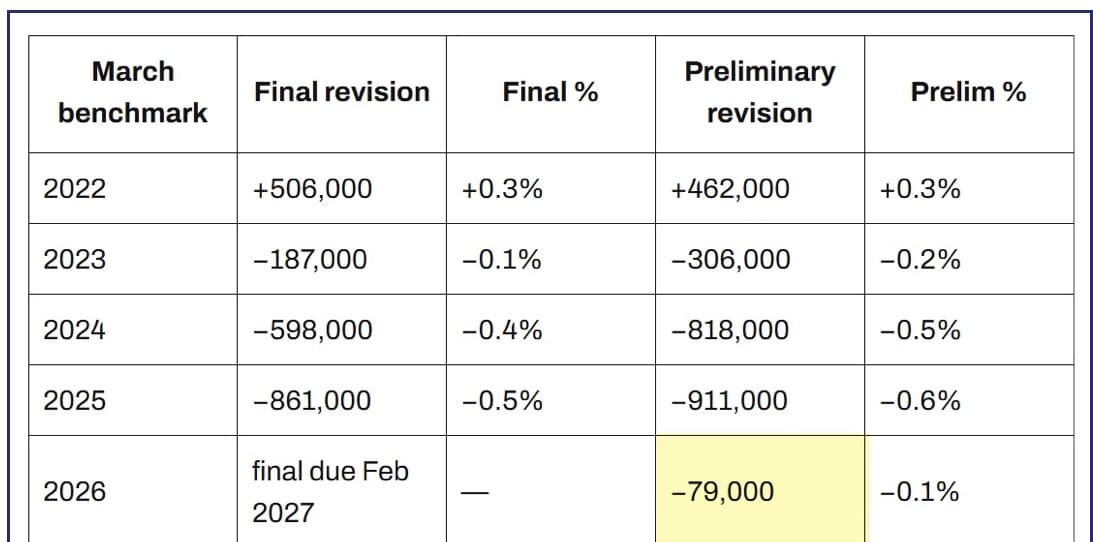
That inflation has proven to be sticky is a matter of fact. A resilient labor market (low hire, low fire) is also reflected in the lowest payrolls annual revision in 4 years. There are however other factors that keep these metrics exceptionally elevated.
Payroll Annual Revisions
…PCE is Outdated
Non-market Based Services
- Financial Services - banking services providing “free” - checking accounts, ATM usage, online services, are “imputed” as “lost margin”. If rates rise, this cost goes up! So, hiking rates to address inflation, which typically raises bank margins, further accentuates this component - logical? Absolutely not!
- Portfolio Management & Advice - as markets rise, AUM based fees rise and are viewed as “inflationary”. If inflation is a tax on consumption, then this metric is counter-intuitive - a rising market, despite higher absolute fees, is still a net benefit for consumption - but until reflected in actual consumption led inflation - doesn’t impact prices.
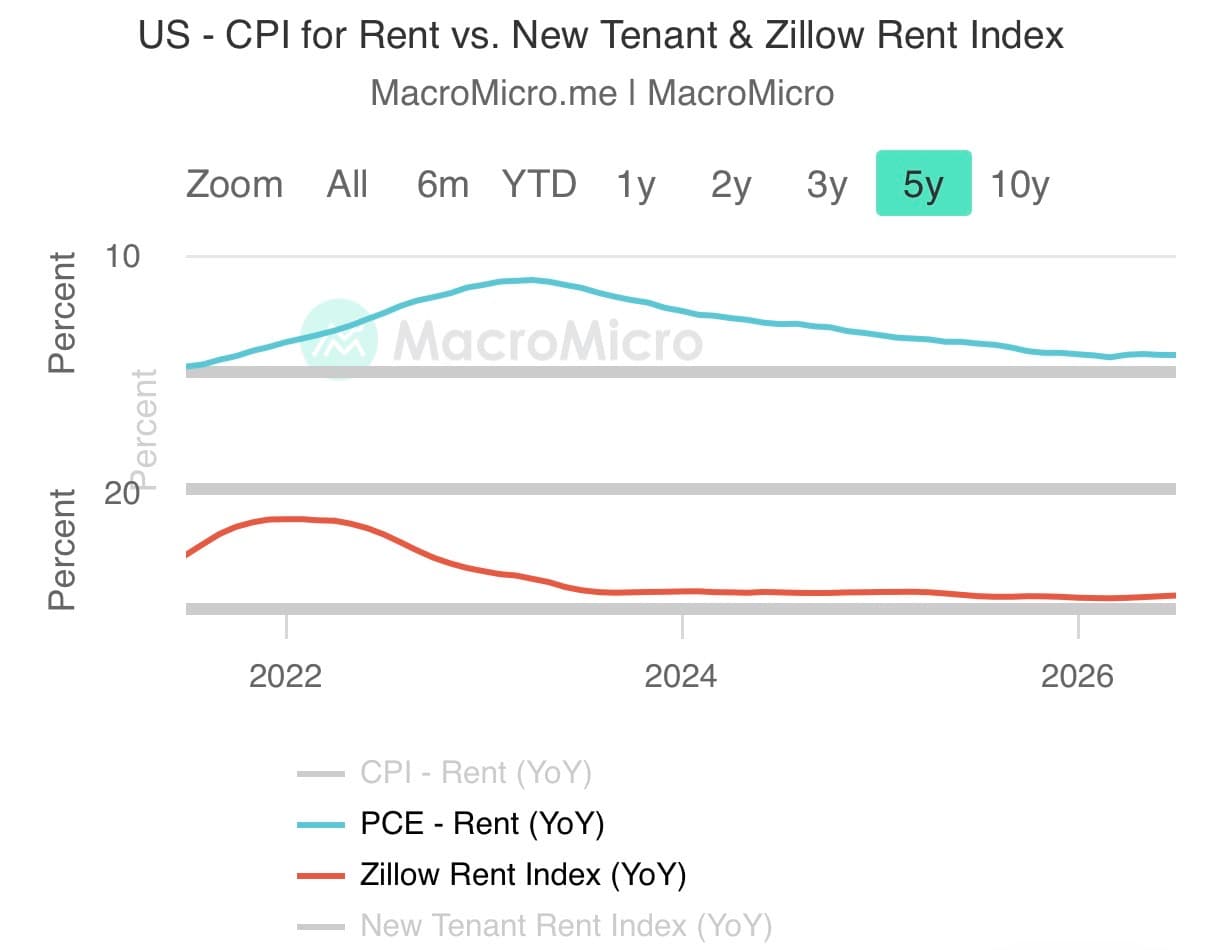
- Owner Equivalent Rent (OER) - there is no direct impact on cash flows in measuring OER - economists have questioned the pro cyclical element too - higher rates, drive mortgage costs higher, increasing rental demand (pricing potential home buyers out of the market), raising OER. Besides, the severely lagged measurement of OER itself causes monetary decisions to be detached from reality!
OER substantially lags market rents
The 2% Folly
After a decade of deliberation, the FED, under Bernanke adopted the 2% PCE target. The backdrop was a world benefiting from globalization led disinflation - a world that has been replaced by insularity and tariff driven elevated cost curves.
From the Minneapolis Fed:
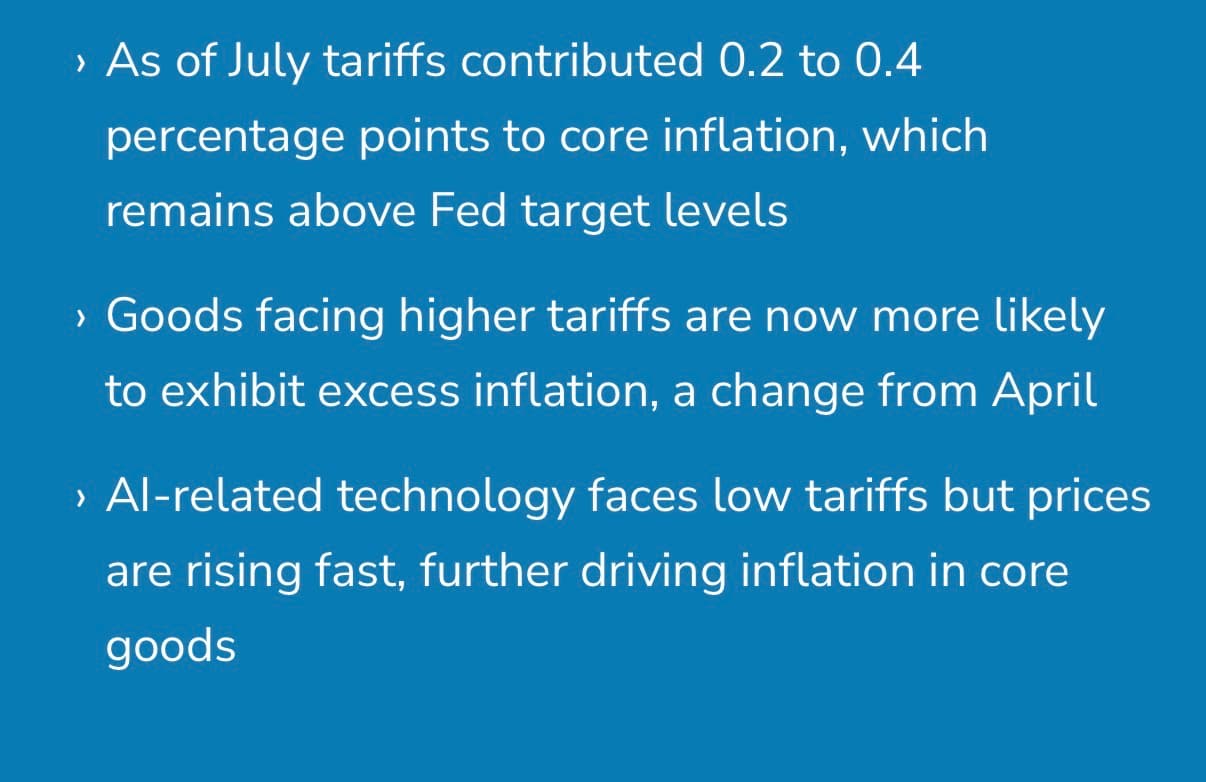
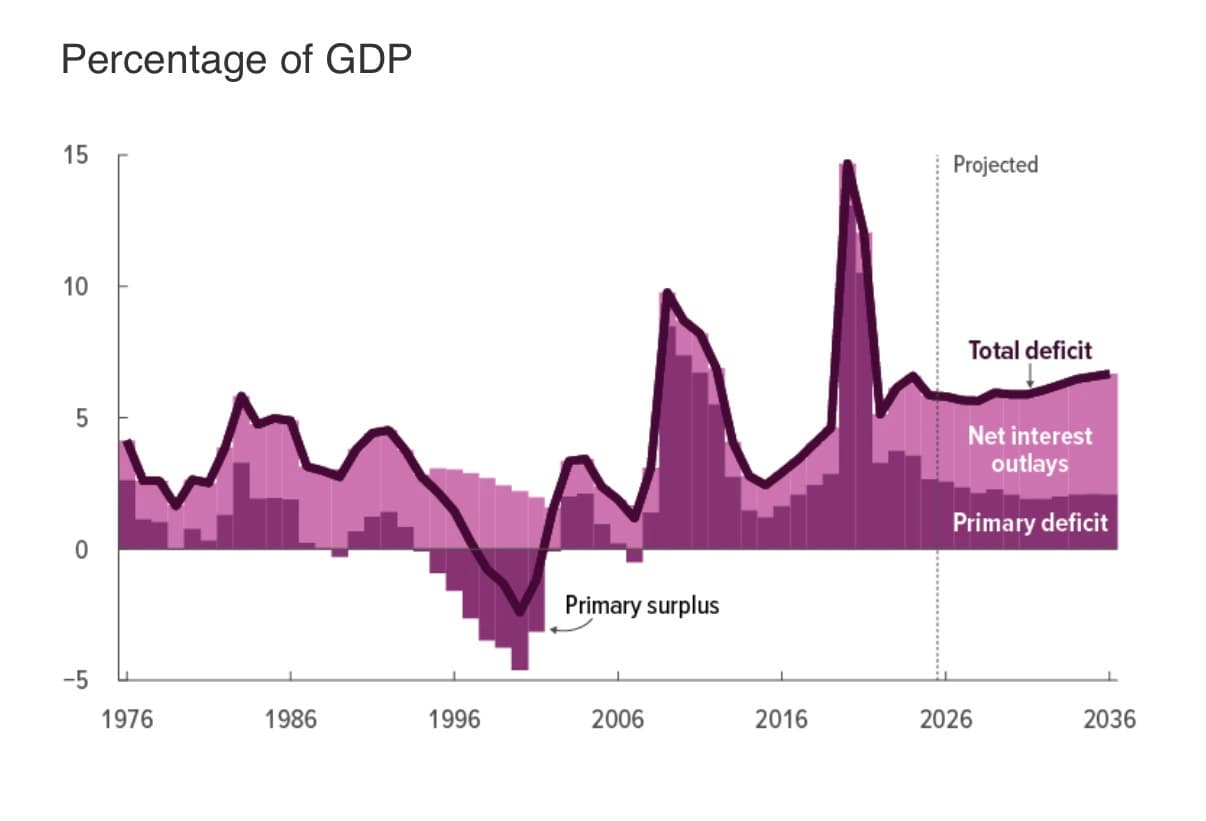
Spending beyond means - aside from crisis led elevated budget deficits, these have historically been contained and manageable - but that is no longer the playbook - whether it’s aging populations or political expediency (or both), sticky, near 6% deficits are sadly the new normal with no attempts to control these. The reality is that the government is probably the biggest perpetrator running an expansionist agenda - with debt/gdp near 130% and interest costs, currently a whopping $1 trn (3.2% of GDP) are set to double to $2 trn (4.6% of GDP) over the next 10 years.
Interest Costs - A drag on Deficits





.png)